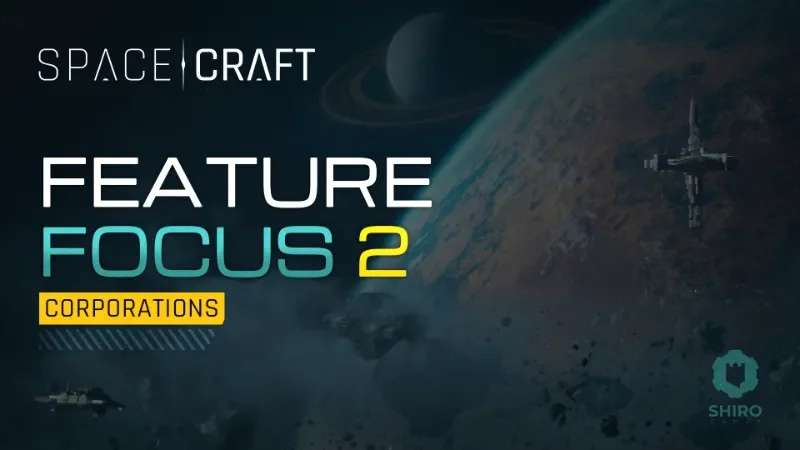
SpaceCraft is doubling down on its MMO ambitions with a deep new Corporation system that turns player groups into full-fledged economic powerhouses. In today’s Feature Focus 2 blog, the developers detailed how these player-run guilds will operate, offering a blend of risk, reward, and strategic resource management that goes far beyond a simple chat channel.
How Corporations Work
At their core, Corporations in SpaceCraft function like traditional MMO guilds, but with a unique twist: they’re built around time-sensitive contracts called Requests. These contracts, offered by specialized NPCs at space stations, task your Corporation with producing or delivering massive quantities of specific resources.
- Requests are identical for all Corporations, but each NPC offers a different selection
- You must have automated production lines and logistics set up before accepting a contract
- Failing to deliver on time means losing all goods and wasted effort
The rewards for completing Requests come in three valuable currencies (names subject to change): License Points, Corpo Credits, and Reputation. Each plays a distinct role in growing your organization.
The Real Strategy: Permits and Licenses
This is where SpaceCraft’s Corporation system gets interesting. License Points unlock permanent bonuses, like increasing building capacity in a single Corpo base—a massive advantage over personal bases. Meanwhile, Corpo Credits can be spent on Corpo Permits, which offer significant performance boosts but come with daily upkeep costs.
“Choosing which Corpo Permits to activate and when will be one of the deciding factors for how a Corporation will grow.”
This creates a fascinating tension: you can power up your group, but you’ll need a steady income stream to maintain those boosts. Even solo players can create their own Corporation and benefit from these mechanics, though they’ll have to work harder to keep up.
What This Means for Players
The system opens up different leadership styles. Some Corporations may prefer a laid-back, redistributive structure where profits are shared freely, while more competitive groups might demand contributions from members. With four NPCs arriving in the next playtest and more planned for Early Access, this is shaping up to be the backbone of SpaceCraft’s endgame economy. If the balance between risk and reward is handled well, this could be the feature that keeps fleets of players coming back for more.